Mongolia tours with free WiFi during your trip – leave it to a local specialist travel company.

Contact us for advice and quotes on local Mongolia toursEmail:info@nomadmongolia.com

Mongolia Naadam Festival
Why not go to enjoy events and festivals in Mongolia? The Naadam festival, national anniversaries, cultural and religious events, world sports competitions, exhibitions open to the public. Festivals that look a bit crazy but are enjoyed equally by tourists and locals. The charm of events and festivals is that you can experience an atmosphere a little different from usual Mongolia and learn more of what makes Mongolia Mongolia.
Summer Mongolia: Sightseeing Events and Festivals
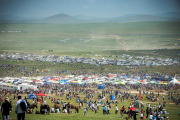
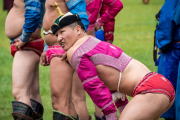
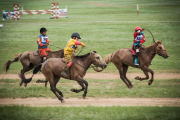
Naadam Festival
Naadam means "festival" in Mongolian. It is held several times a year around Mongolia, but the biggest Naadam is the state-sponsored one in the capital Ulaanbaatar. For three days from July 11, Revolution Day, three competitions are held: Mongolian wrestling, horse racing and archery. Athletes gather from all regions, with as many as 500 wrestlers in the wrestling. In horse racing the jockeys are children aged 6 and over, and about 400 horses take part. There are also cavalry parades, morin khuur performances and folk dances, making it an important festival of the Mongolian people.
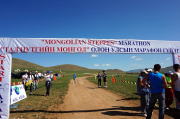
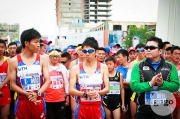
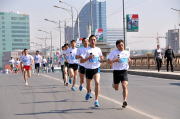
Mongolia International Marathon
Many marathons are held in Mongolia too. Multi-event competitions such as the Mongolia Steppe Marathon (run on the steppe outside Ulaanbaatar), the Ulaanbaatar International Marathon (run in the Mongolian capital) and the Gobi Desert Marathon (run in the South Gobi) are also held every year.
Winter Mongolia: Sightseeing Events and Festivals
Mongolia's tourist season is not only summer. Winter Mongolia has many interesting events. Boarding a sleeper train and heading for the desert town of Sainshand, viewing the first sunrise, Mongolian New Year events, the Eagle Festival, the Lake Khovsgol ice festival, the South Gobi Camel Festival, the Kazakh Eagle Festival, dog sledding, skiing and more.
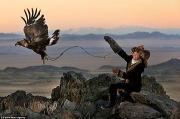
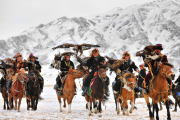
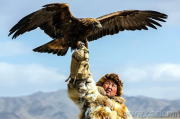
Eagle Falconry Judging / Eagle Festival
Falconry judging is held twice a year.
The Kazakhs taking part in the contest wear brightly colored costumes and show off the eagles they proudly train every day. The contest is held with the competitor dashing on horseback with their partner, the eagle, on their arm. Hunting in unison of man and horse, coordinating with the eagle, is a spectacle.
Ice Festival and Skating Competition
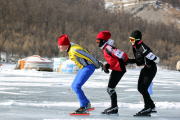
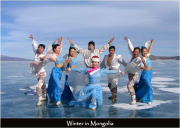
Every year an ice festival and skating competition are held on Lake Khovsgol in northern Mongolia. This lake, four times the size of Lake Biwa, freezes so thick that a 5-ton truck can cross it. Horse sleigh races and wrestling on the ice are held over two days.
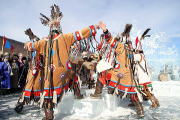
There is a full program of events, including a 100 km skating marathon. Enjoy many events held on the ice, such as an ice bar with a ger, furniture and tableware all made of ice, dog sled, horse sled and reindeer races, Mongolian folk dances and concerts, wrestling on the ice and shaman ceremonies. The president of Mongolia also takes part in this event.
Join the ice festival, Lake Khovsgol, the Tsaatan people who keep reindeer, nomad life, horse riding, riding reindeer, and experience Mongolia's people, history, culture and customs.
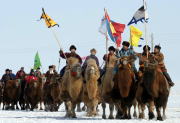
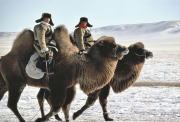
Camel Festival (Winter Two-Humped Camel Festival)
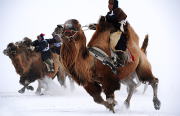
In the South Gobi region of the vast Gobi Desert in southern Mongolia, a winter two-humped camel festival is held every year. Mongolian camels are the two-humped camels of Central Asia.
Enjoy watching many competitions such as camel races and camel polo using camels, which are deeply tied to the people of the Gobi Desert.
Mongolian New Year Event: Tsagaan Sar (White Moon)
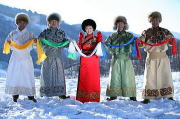
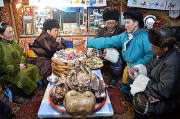
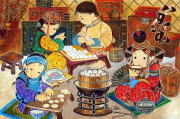
The festival the Mongol people, nomads living on the Central Asian steppe, celebrate grandly is called Tsagaan Sar ( New Year ), the "White Moon." It follows the lunar calendar, so the date changes every year. At New Year, families and relatives gather around a feast, rejoice at getting through the harsh winter and welcoming spring, and pray for happiness through the year. The "white" of "Tsagaan Sar (White Moon)" expresses purity in Mongolia and is also the color of milk, which Mongolians revere. New Year also means a pure white month in which nothing bad happens. On New Year's Day people rise before sunrise, change into clean clothes, walk in their own lucky direction, and return from the direction of merit. After this ritual, they offer milk to the earth and greet their family at sunrise. Let's celebrate New Year's Eve and the lunar New Year in the Mongolian way together with a nomad family.
Mongolia First Sunrise Viewing
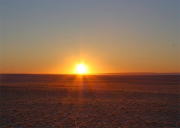
A ceremony to see the first sunrise of the year is held.
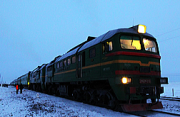
A special first-sunrise train takes you from Ulaanbaatar Station to the steppe outside the city.
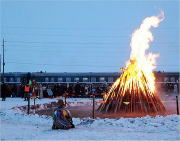
Enjoy watching the first sunrise rising over the majestic Mongolian steppe. For travelers who want to see the Mongolian first sunrise, there is an event in which a train goes 100 km east of Ulaanbaatar to the great plain of Khangai. Mongolian leaders, ordinary people, and Japanese, Russians, Americans and others stationed in Mongolia take part, and while watching the first sunrise they pray for health, development and security at the start of the year. At the event, rituals of shamanism, Mongolia's traditional religion, and concerts of traditional arts are presented.
N



Basic Mongolia Information
Basic information

Tourist Destinations in Mongolia
Destination
Winter Tours
Winter tours
Tailor-Made Travel
Tailor-made
Tourist Events
Tour events
Tourist Camps
Tourist camps
Ulaanbaatar Sightseeing
UlaanbaatarCity Tour

Mongolian Food
Mongolian Foods
Restaurant Guide
Restaurants
Gallery
Gallery
Car Rental
Car Rental
FAQ
FAQ